
Time Traveler Tuesdays: Bud Harrelson: The 1970s Mets shortstop of the decade

The 70s Mets' shortstop story is really about one person. He was scrappy, he was tough, and he was undersized, but he had an oversized heart. Buddy Harrelson broke onto the scene for the team in the late 60s, but the bulk of his work and his legacy were built in the 70s for the team.
The first couple of years of the decade were arguably his best on the team. In his 1970 (all-star) season, he played a career-high 157 games. He batted .243, with 42 RBI, and 72 runs scored. He made spectacular plays in the field, and he was the team's heart and soul, for a post-World Series team was in first place until late in the season (September 14), but floundered at the end and missed the postseason, in a disappointing final month. They lost 10 out of their last 15 games in 1970.
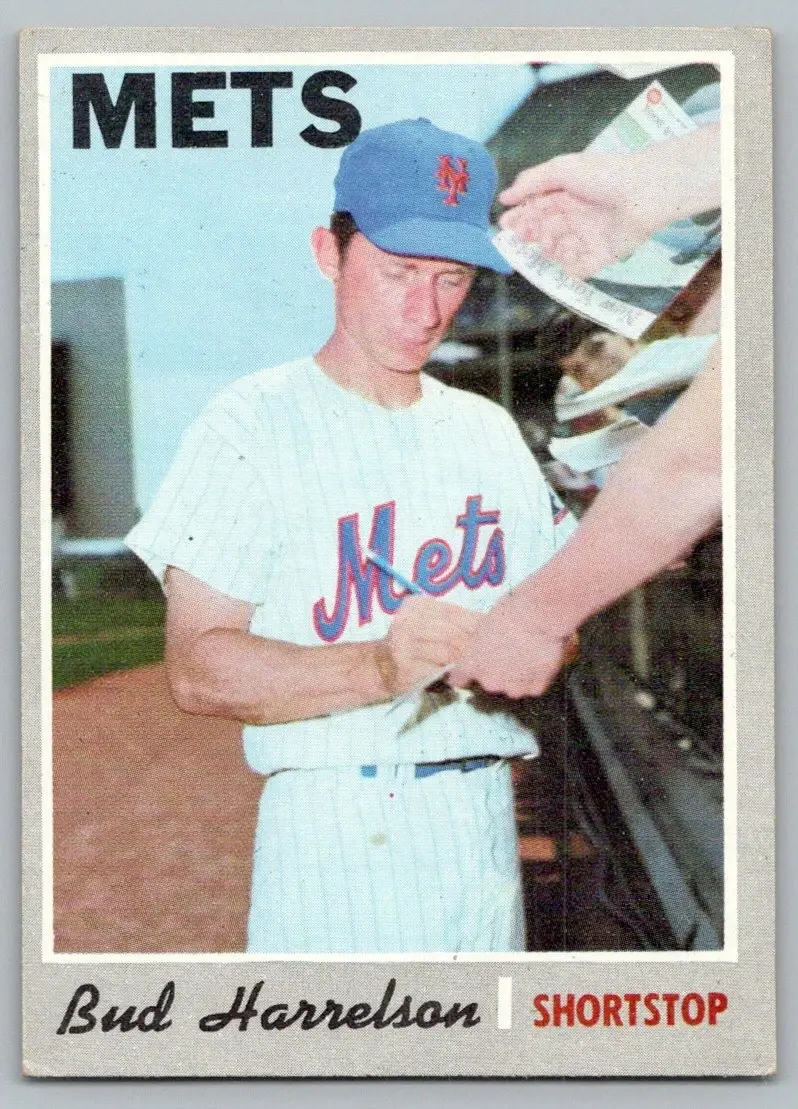
In 1971, Harrelson had another strong (all-star) season. He batted .252, with 16 doubles, and a career-high 138 total hits. Harrelson was finally recognized for his immaculate fielding at short, winning his first and only Gold Glove Award. He also stole a career-high 28 bags in 1971. The Mets finished 83-79 in 1971 as well, but they were never really in the hunt that year, so it wasn't as disappointing as the previous season.
Fast-forward to 1973, when the Mets turned that disappointment around into a dream run. The Mets made it all the way to the World Series that season, and once again, Bud Harrelson's solid fielding at the 6 position helped lead the way. It wasn't exactly his best season, playing fewer games and only amassing 92 hits for the entire season. However, he did finish top 30 (29th) in MVP ballots and will always be appreciated by fans as the scrappy heartbeat in the middle of the infield.
Nothing showed that spirit more than when Pete Rose and the 'Big Red Machine' faced the upstart Mets in the NLCS in '73. The Reds were heavy favorites, having lost two out of the last three World Series, and coming in hungry to finally run the table. They unfortunately ran into the hottest team in baseball, which made an improbable run to make it all the way to the NCLS at that point.
In Game 3, a double play ground ball to first was thrown to Harrelson and Rose, as he normally did, slid in super hard to break up the play. Harrelson ended up turning two, but he didn't appreciate Rose's enthusiastic slide and grabbed hold of Rose. The benches cleared, and the momentum kept growing for the 'Amazins, who started to believe they could knock out the Reds too.
The series was tied at one game apiece at that point, and the Mets went on to win that game 9-2. They eventually knocked out the NL MVP Rose and the Reds 3 games to 2 (best out of five), to make it to the World Series.
The rest of Harrelson's time with the Mets as a player was more of the same. He was scrappy, he was reliable, and he played his butt off until he moved on after the 1977 season.
Harrelson was so popular with the Mets that he eventually returned to coach the team in the 80s. He served as first-base coach (1982) and third-base coach (1985–1990). He was part of the coaching staff for the 1986 World Series champions.
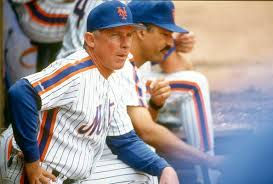
Harrelson also took over as manager for the Mets after Davey Johnson was fired in the 1990 season. Harrelson managed from 1990-91 and finished with a 145-129 record.
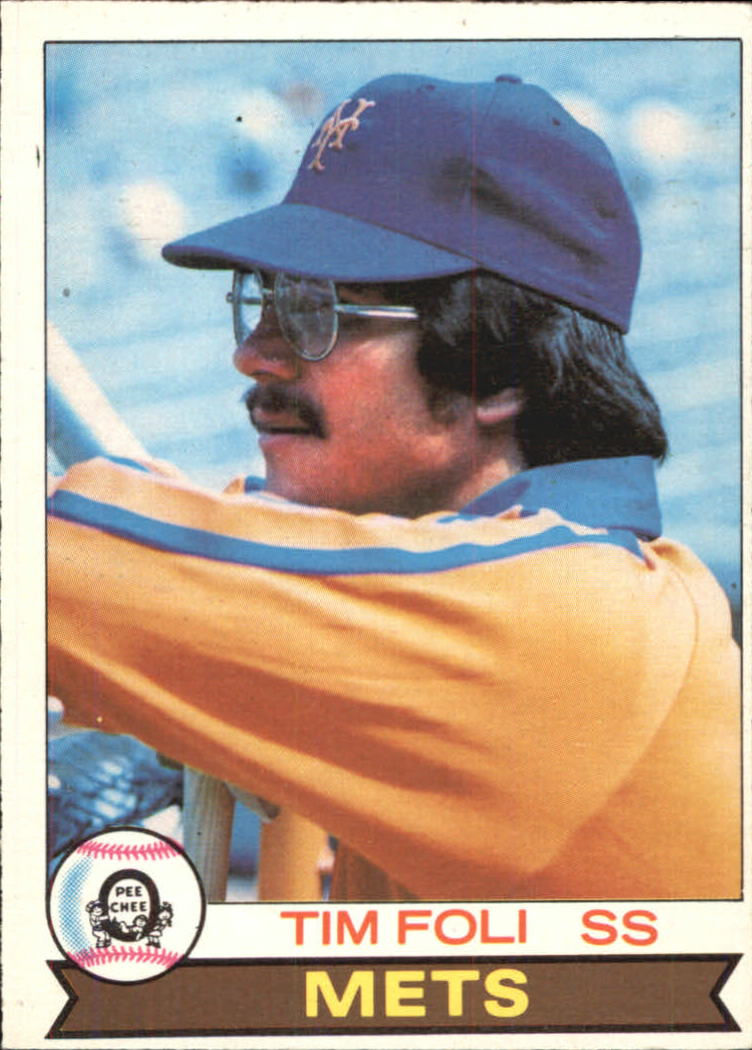
The '78 and '79 seasons each had new shortstops, one of whom was a short-timer. Tim Foli played shortstop for the Mets in 1978. He started his career with the Mets in 1970 when he was just 19 years old, but he left the team for the Expos shortly after in the 1971 offseason. He came back and didn't exactly light it up in 1978. He batted .257, with 106 hits. But he was traded away early in 1979 to the Pittsburgh Pirates for the Mets' final shortstop of the decade, Frank Taveras.
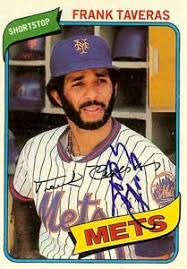
Taveras added some speed to the lineup, with 42 stolen bases in 1979. He also hit 26 doubles that year. He played 153 games for the team that year, too, proving to be a reliable addition to a terrible team. They finished 63-99, in dead last place.
Although the decade ended with different players at shortstop, the 70s were all about Harrelson at the position for the Mets. He'll always be remembered for his grit, his effort, and his courage.
And that’s where you come in. The story of the Mets’ shortstops in the 1970s really begins and ends with Bud Harrelson — the scrappy heartbeat of the infield whose grit helped define an era of Mets baseball. From spectacular plays at short to that unforgettable clash with Pete Rose during the 1973 National League Championship Series, Harrelson embodied the fight that Mets fans have always admired. What are your memories of Harrelson and the shortstops of the 1970s? Do you remember the moment the benches cleared against the Reds, or the steady glove that anchored the infield for so many seasons? Share your thoughts in the comments below and keep the conversation going. And if you want to talk Mets baseball with fellow fans every day, be sure to join our ever-growing KinersKorner Facebook group, where the discussion continues long after the final out.


Love Buddy Harrelson