
From Koufax to Coaching: Remembering Doug Camilli


There are ballplayers you remember because they were stars, and then there are ballplayers you remember because they were part of the game’s fabric, the guys who somehow show up in all the right baseball stories, even if they weren’t always the headline.
Doug Camilli was one of those guys.
Doug, who passed away on March 17, 2026 at the age of 89, lived a baseball life that felt both inherited and earned. The son of Dolph Camilli, he grew up around the game at a time when clubhouse air probably smelled like pine tar, cigars, coffee, and opportunity. Born in Philadelphia while his father was playing there, Doug didn’t just follow in his dad’s footsteps he carved out his own lane, spikes and all.

He broke into the majors with the Los Angeles Dodgers in 1960, and if you’re going to pick a way to introduce yourself, getting your first big-league hit off Juan Marichal is a pretty good start. No easing into things. No “let’s face a middle reliever and see what happens.” Straight into the fire.
Camilli spent parts of nine seasons in the big leagues, mostly as a catcher — which, as anyone who has ever crouched for nine innings can tell you, is less a position and more of a questionable life choice. He backed up names like John Roseboro and quietly put together his best offensive season in 1962, hitting .284. Not bad for a guy whose job description often read: “handle pitchers, block everything, and oh by the way, try to hit.”
He earned a World Series ring with the 1963 Dodgers, the same series where they swept the Yankees ,even if he didn’t get into a game. But if you were part of that clubhouse, you were part of something special. And sometimes, the stories you tell later matter just as much as the innings you played.
One of those stories came on June 4, 1964.
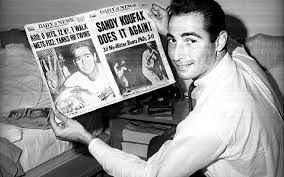
That night, Camilli was behind the plate catching Sandy Koufax, who was busy doing Sandy Koufax things which is to say, flirting with perfection and making hitters look silly. Koufax threw a no-hitter, faced the minimum, and struck out 12. Camilli had the best seat in the house and probably the sorest knees.
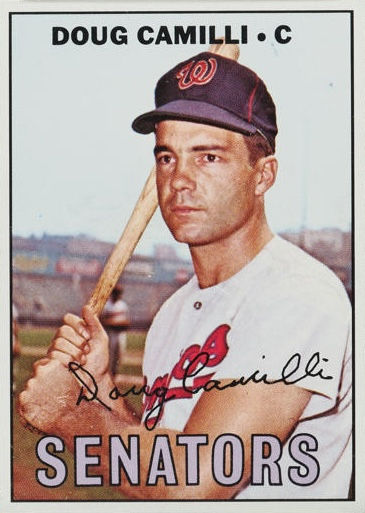
After his playing days, which also included time with the Washington Senators, Doug stayed in the game. He coached, taught, managed, and became one of those baseball lifers who could probably fix a catcher’s stance with one look and a quiet word.
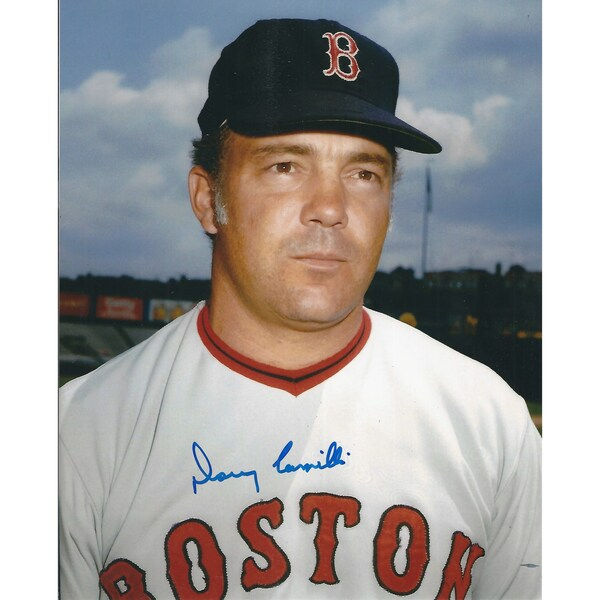
His post-playing career with the Boston Red Sox organization lasted decades, the kind of tenure that tells you everything about how he was respected in the game.
And yes, since this is Kiner’s Korner, we check the Mets box.
Against the New York Mets, Camilli hit .212 in 13 games, with two home runs — both coming off Al Jackson. Somewhere, there’s a version of Mets history where Al Jackson sees Camilli walking to the plate and just sighs.
That’s baseball.
Doug Camilli may not have been a superstar, but he was something just as important a steady presence in an era full of legends, a catcher trusted with great pitchers, and a man who stayed in the game long after the box scores stopped listing his name.
And in the end, that’s a pretty good legacy.
Rest in peace, Doug. The game is better because you were part of it.


Doug was my favorite MLB catcher when he was with the Senators. Why a no-hit backup catcher in DC was my favorite when I lived nowhere close, who knows. Could only follow him through newspaper box scores, and was disappointed when Mike Brumley or Paul Casanova played instead. Didn't know he missed some due to injury. I wasn't aware he'd caught a Koufax no-hitter and Sandy said he shook off a curve when he wanted a fastball. Mid-delivery thought Doug was right about the curve, missed low and walked Richie (Dick) Allen. Doug threw Allen out stealing and Sandy faced only 27 batters. I read he was also Sandy's road roommate. He had some great baseball memories and I …