
Remembering Buzz Capra: A Forgotten Miracle, Never Forgotten


Some players come and go through Mets history, their names tucked into the corners of scorecards and yearbooks, remembered mostly by the diehards who can still recite the 1973 roster from memory.
Buzz Capra was one of those players.
And yet, for those of us lucky enough to know him beyond the back of a baseball card, he was much more than a footnote. He was a warm laugh at Mets Fantasy Camp, a storyteller who could take you from Shea Stadium to a bullpen mound in Pittsburgh in a matter of seconds, and the kind of man who made you feel like you’d been friends for years, even if you had just met.
Buzz Capra passed away on May 11 at the age of 78, and with him goes another cherished link to one of the most improbable and beloved chapters in Mets history.
Born in Chicago, Capra was originally a shortstop before his baseball life took a sharp turn at Illinois State University, where he discovered the mound was where he belonged. He helped lead the Redbirds to a national championship in 1969, enough for the Mets to take a chance on him in the amateur draft.
The Mets were rewarded. Over three seasons in the minors, Capra dominated, and by September 1971 he was in Queens, beginning what became a six-year major league career split between the Mets and the Atlanta Braves.
His best season came after leaving New York. In 1974 with Atlanta, Capra stunned the National League by posting a 2.28 ERA, earning an All-Star nod and finishing as the league’s ERA champion. For one summer in the South, he became the unlikeliest star in baseball the kind of pitcher who could fill a stadium in an era when Braves crowds often didn’t. It was the kind of baseball story that seemed too odd to be true, which of course meant it was absolutely true. Major League Baseball.
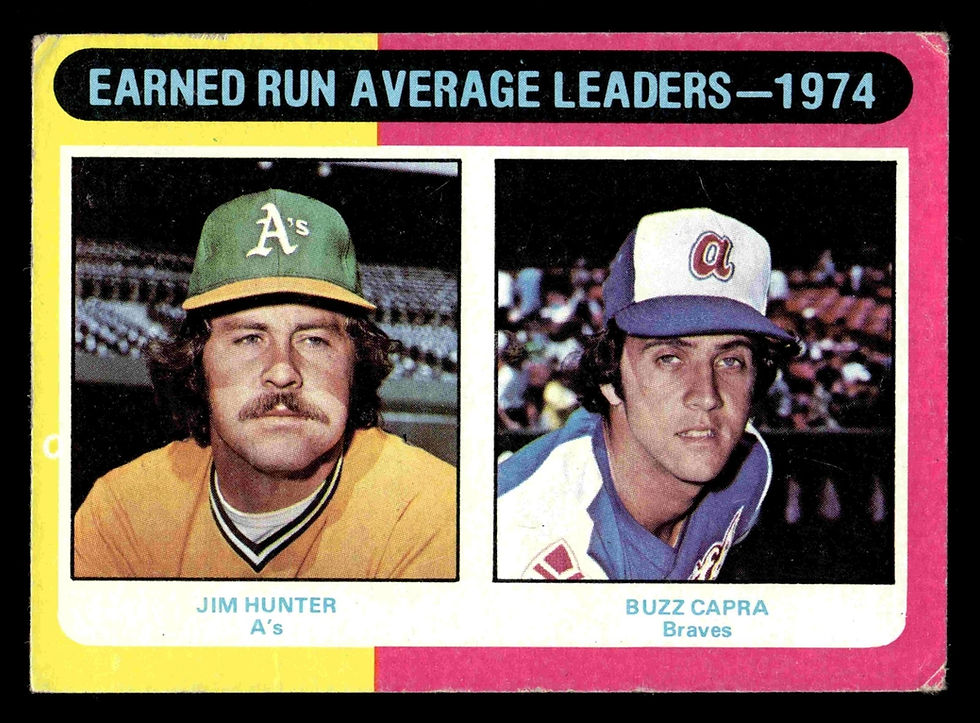
But to Mets fans, Buzz was part of something else: the 1973 team, the one that limped through much of the summer only to become the last team anybody wanted to face in October.
When I interviewed Buzz for my book, The Forgotten Miracle: The Story of the 1973 New York Mets, he spoke with that mix of humor and vivid detail that made him so enjoyable to be around. He paused at one point and noted how many teammates from that club had already passed. You could hear the weight of it in his voice. To him, they weren’t names in a media guide. They were friends, road roommates, and pieces of a life he carried with him.
His clearest memory was a September showdown against the Pittsburgh Pirates, when the Mets were fighting to stay alive. He remembered a ball off the wall, a frantic relay throw, and Richie Zisk being cut down at home. Buzz told me that after that play, the clubhouse felt different. The players sensed something shifting. As he put it, they knew they were headed for the postseason.
One of the unforgettable snapshots of the 1973 season came during Game 3 of the 1973 National League Championship Series, when Pete Rose crashed hard into Bud Harrelson at second base and set off one of the most famous brawls in postseason history. From the bullpen, Buzz Capra and Pedro Borbón came charging in from opposite sides, sprinting toward the infield just to join the madness. Buzz used to laugh telling the story because somewhere in the pileup, Borbón wound up with Buzz’s Mets cap — and in a moment that perfectly captured the absurdity of that day, Pedro literally took a bite out of it. Only in Shea Stadium could a playoff fight with the Cincinnati Reds end with a reliever chewing on another reliever’s hat. Buzz always remembered it as one of those scenes where everything moved too fast to make sense, but afterward everybody realized they had just lived through a piece of baseball folklore.
That was Buzz — he remembered the little details, the heartbeat moments.
He also laughed about the frustrations. He told me there were stretches when Yogi Berra barely used him, and as any competitor would, it drove him crazy. Then suddenly he’d be thrown into the middle of a bases-loaded mess against the heart of Pittsburgh’s order. He remembered getting out of one jam by coaxing a crucial ground ball from Al Oliver with a curveball he said he never forgot throwing. That inning landed him on Kiner’s Korner television and earned him fifty dollars, which he mentioned with the kind of grin that suggested the fifty bucks still mattered.
That was another thing about Buzz. He remembered everything, but he never acted like any of it made him bigger than anyone else.
I also knew Buzz through Mets Fantasy Camp, where he was exactly the same person players and fans hoped he’d be. No ego. No “former major leaguer” act. Just Buzz. Ready with a story, ready with instruction, ready to laugh, and always willing to spend time with anyone who wanted to talk baseball.

After his playing days, he stayed in the game for decades — coaching in farm systems, teaching younger pitchers, and passing along what the game had taught him. He also taught art and worked with his hands, building and fixing things for family and friends. That fit him. Buzz was always creating something, whether it was a curveball, a memory, or a conversation.
I call the 1973 Mets the Forgotten Miracle, but the men who made it happen are not forgotten by those like me who lived it and those who care enough to keep telling their stories.

Buzz Capra was one of those stories. A pitcher who had his shining moment, a teammate on one of the most unforgettable teams in Mets history, and a genuinely kind man who made every reunion, every camp, every conversation better.
Some people leave behind numbers.
Buzz left behind stories — and the people lucky enough to hear them.
Rest in peace, Buzz. You’ll always be part of the miracle.


Nicely put.
Well said! I would add I had the honor of being coached by Buzzy for six years of Mets camp and story I like to share about him was we were headed home and on car rental shuttle bus and women sitting across from us noticed his rings and said “ based on those rings are you famous”? Of course Buzzy just downplayed it without really acknowledging her, I looked up and said “ he is baseball royalty”.