
Time Traveler Tuesdays: So many hits and so much drama; The story of the Mets' 1st basemen of the 1990s


The 90s at 1st base for the Mets started as the 80s ended. The contact-hitting, maybe a little boring, Dave Magadan was named the team's full-time player at the position. There were no other real competitors on the team for the position. Magadan had a backup, journeyman Mike Marshall, who played 42 games at 1st base that year. But it was Magadan's job, and he played tremendously in 1990.
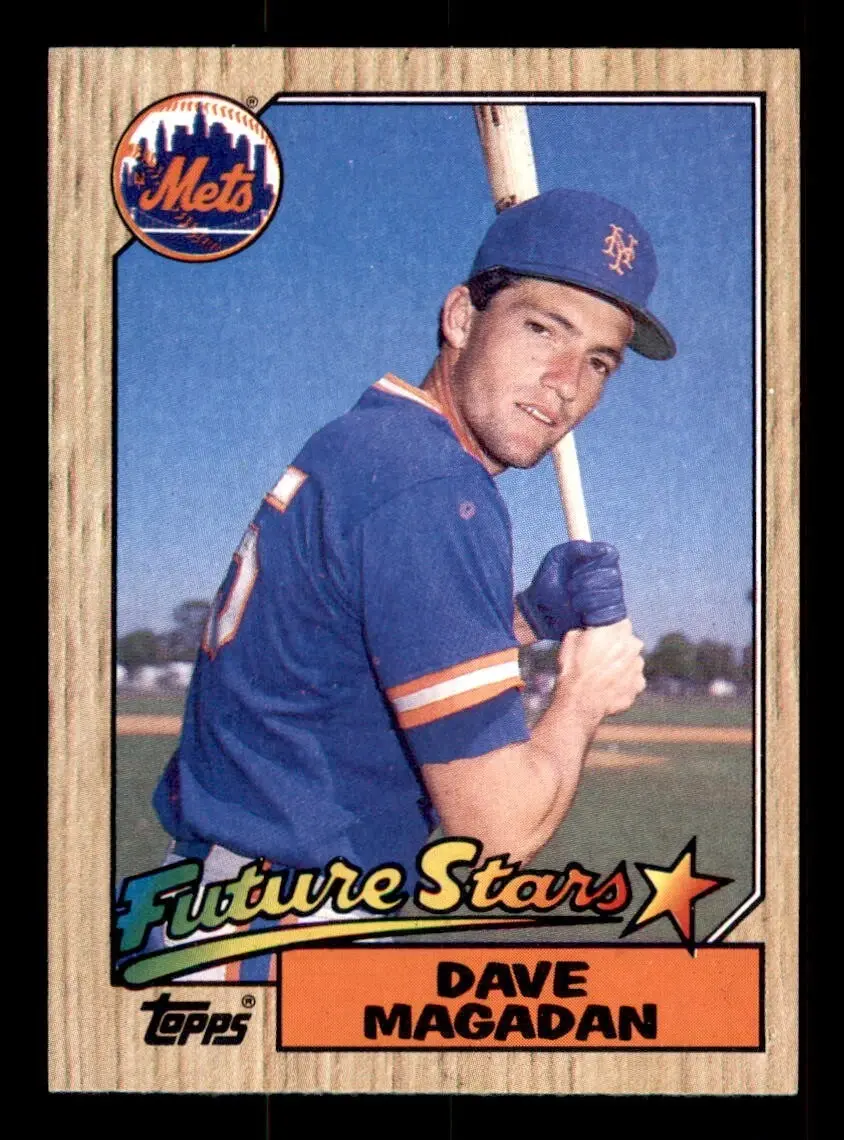
Magadan batted .328 with 6 HR and 72 RBI, and a .878 OPS. Not too shabby for a player no one ever considered a "star." The team was on the cusp of a major turning point in 1990. Davey Johnson was fired 42 games into the season, while the team stood at 20-22. Bud Harrelson took over and finished strong. The Mets finished the year with 91 wins, which in most current-day MLB scenarios would have been a playoff spot. However, this was pre-wildcard and pre-divisional times, so they finished 4 games behind the stacked Pirates to miss the playoffs. Magadan even showed up in the 1990 MVP voting, finishing 22nd on the list.
With that tremendous year under his belt, Magadan earned the position to start the 1991 season. A season that had so much promise, and then crashed and burned so hard. Magadan did not show any of the pop or promise of the previous season, while playing 122 games at 1st. He finished the season with 4 HR and only 58 RBI, with a measly .258 average, a 70-point drop from 1990.
The team started the season 52-37 and showed a lot of promise at the beginning of the first half of the season, holding onto first place. Despite losing all-world superstar Darryl Strawberry to free agency. Howard Johnson carried the load that year, leading the league in HR (38) and RBI (117). The second half of that season proved to be one of the biggest collapses in team history, with an 8-21 record in August. The Mets went from first place to finishing 20.5 games out of first place by the end of the season, which ended with Harrelson's firing. The Mets finished 74-80 and wrapped up their first losing season since 1983; the spectacular '80s memories were long gone, and the team decided they would spend some serious cash to right the ship.
The 1992 off-season saw the Mets trade for 2-time Cy Young Award winner Brett Saberhagen in a blockbuster deal that included giving up on Kevin McReynolds and much-maligned Gregg Jefferies. We also saw huge free agent signings like Bobby Bonilla, Willie Randolph, and future Hall of Famer Eddie Murray at 1st base. The '92 Mets started with so much hype, but they were later dubbed 'The worst team money could buy.'

Murray, 36, was entering his 16th MLB season. He signed a two-year contract with the team, adding some pop and consistency. At his advanced age, he was one of the bright spots in a terrible couple of seasons for the team. In 1992, Murray batted .261 with 16 HR, 93 RBI, and a whopping 37 doubles. In 1993, he continued raking with a .285 batting average, with 27 HR and 100 RBI. He played more than 300 games at 1B during his 2-year stint with the Mets. The team was a stain on the franchise's history, but you can't blame Murray for any of it.

Murray moved on from the hapless Mets, so the team struggled to find a good fit for the 1994, strike-shortened season. Dave Segui ended up winning the honors for the team, but he wasn't much to look at. Segui only batted .241 with 10 HR and 43 RBI. There was a glimmer of talent shown by his backup that year, a young, free-swinging Rico Brogna. Brogna played 35 games at 1st base in 1994, clearing the way for him to take over full-time for 1995.
The youngster showed some pop in 1995, batting .289 with 22 HR, 76 RBI, and an .827 OPS. He was indeed a feast or famine type hitter, also striking out a ton (111 times).

Brogna battled for the 1st base job in 1996, but he gave way to another young upstart, Butch Huskey. Huskey ended up playing the most games at first for the 1996 season, but lots of players saw significant time at the spot. Brogna played 52 games at 1st, Roberto Petagine played 40, Tim Bogar played 32 games at the position, and even Carlos Baerga played 16 games. It was an inconsistent, revolving door. Setting up the final three seasons in the 90s with a stable, consistent, fan-favorite, who will always be remembered as one of the most clutch Mets.
John Olerud joined the Mets in December of 1996, in a trade for pitcher Robert Person and $5 million in cash to the Blue Jays. The Jays chose Carlos Delgado over Olerud, so the Mets benefited big-time. Olerud would end up setting records for the Mets and eventually would lead the team back into the postseason.
Olerud set the tone for his tenure with the Mets in 1997, where he batted .294, with 22 HR and 102 RBI. In his second season with the team (1998), he batted a team-record .354, with another team-record .447 OBP. He hit another 22 HR and drove in 93 runs that year. The Mets finished that year 88-74, showing significant improvement and also showing a desire to take on the mighty Atlanta Braves in 1999.

1999 was another great year for Olerud. He batted .298, with 19 HR and 96 RBI. He walked 125 times that season and continued his clutch hitting for the much-improved Mets, who were about to make a run at the first-place Braves. The Mets finished tied with the Cincinnati Reds, with a 96-66 record. They ended up beating the Reds in a one-game wildcard playoff, 5-0.
The Mets then beat the Arizona Diamondbacks 3-1 in a best-of-5 series to finally face the first-place Braves in the NLCS.
There were so many memorable moments in that series, including Robin Ventura's Grand Slam single and a handful of clutch hits by Olerud.
Olerud's strong postseason performance in 1999 cemented his ability to consistently produce in high-pressure situations and ranks him among the most clutch players in Mets history.
The Mets ended up losing to the Braves 4-2 in the best-of-7 NLCS, but boy, was that team fun to watch. Olerud's leadership and stability earned him the title of best Mets 1st baseman of the 1990s.
As we explore the 2000s at 1st base, we'll see so many familiar faces, which include a Hall of Famer. That's next week's Time Traveler Tuesday!


Comments